
AssignmentGPT Blogs

How to Detect ChatGPT-Generated Text in 2026: Tools, Techniques & Expert Detection Methods

Get an AI summary of this post on:





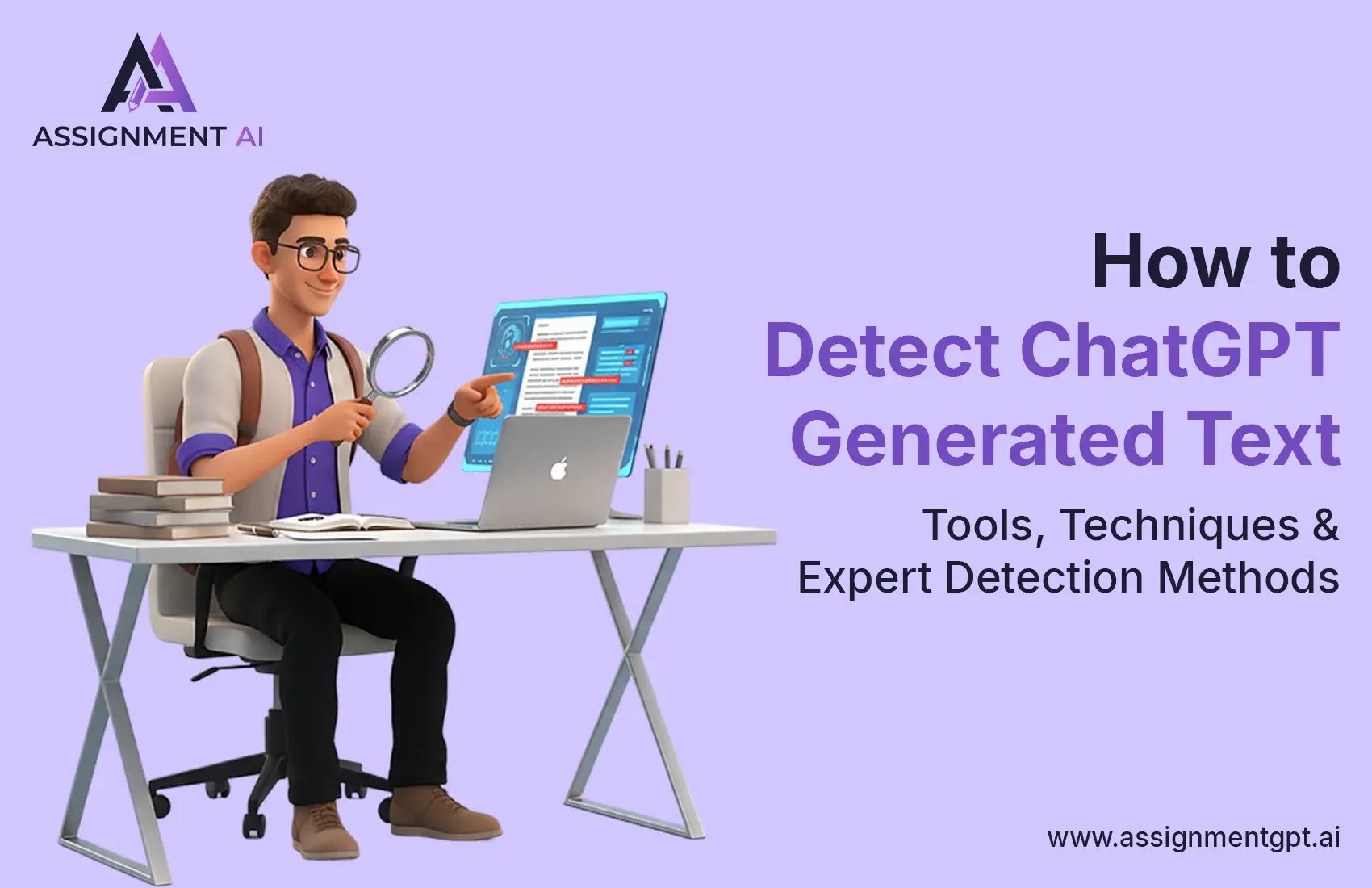
Now, writing assistance tools like ChatGPT, Claude, Gemini, and other large language models (LLMs) have become thoroughly integrated into daily life by the year 2026. AI has taken up a huge part of almost all types of written communication, including academic research, content creation, marketing, college assignments, email communication, and social media.
Aside from the accepted advantages in speed and access to information, these tools have created more problems.
This article defines that most of the research papers are being produced, and there is a significant amount of duplicate or low-value content distributed and search-optimized material that lacks novelty is being generated.
Our focus in this article:
What is ChatGPT, and how does it produce content?
Common signs of ChatGPT-based text content.
How can you detect ChatGPT-generated text?
I will also tell you the top AI detectors which you can use to detect AI-generated content.

Ready to Get Started? Join thousands of students using AssignmentGPT for better grades. Sign up free and unlock all features! Sign Up Free
What Is ChatGPT-Generated Text and How Does It Work?
Understanding the operation behind AI writing will aid in developing the ability to detect it.
1. How ChatGPT Creates Text
ChatGPT uses a substantial Language Model (LLM) which has been created from data sourced from thousands of books, magazines, websites, scholarly research articles, etc. ChatGPT's method for constructing text is not like that of a person; rather, it generates text by predicting the next word to use based on learned patterns from extensive data.
When you submit a question to ChatGPT, it looks at your input, identifies patterns, and produces an output that closely resembles what would be considered a typical human response.
2. Core Characteristics of ChatGPT Text
1. Consistent Structure: AI typically generates sentences with predictable, uniform construction, creating an even and constant cadence throughout each paragraph.
2. Consistent Sentence Lengths: Human authors typically use a combination of short, simple, and long, complex sentences in a single composition. The structure of AI-produced writing typically maintains an even distribution, making the document appear uncharacteristically too balanced.
3. Neutral Tone: AI-generated writing is generally more neutral and lower in emotional extremes and complexity than other forms of writing. The result is that the tone of the writing appears very polished but is usually overly neutral in comparison to human writing.
4. Non-Personalized Descriptions: When asked to describe their experience, AI produces broad and generic descriptions instead of individual and specific descriptions of personal experiences.
5. Checked for Errors: The sentences generated by AI tend to be grammatically flawless, while humans produce text with natural errors.
3. Why AI-Generated Text Is Hard to Detect
The development of AI to behave similarly to humans in conversation through emotion and narrative structure is occurring at a rapid pace. Since all of the data that is training AI is created by a human, the results of AI have similarities to how humans would write.
Despite these similarities, AI still lacks the ability to:
• Express real emotions,
• Produce insights based on long-term experience
• Maintain consistency in context over time
• Create unpredictably.
These characteristics are the foundation for most methods of detecting AI-generated writing.
4. Visual Concept (Without Actual Image)
Conceptually, AI and human reproduction produce different results:
Humans typically produce inferior work due to a lack of focus on grammar and vocabulary.
AI creates more consistent content with a defined pace, logical progression, and equal-length sentences.
While perplexity/burstiness scores can help differentiate between AI-written and human-written pieces.
AI Detecting tools utilise these variations to make accurate assessments of potential candidates.
Write Perfect Assignments With AI Assignment Writer
Professional assignment writing powered by AI. Get well-researched, plagiarism-free content for any subject instantly.
Try Assignment Writer Free
Proven Methods to Detect AI-Generated Text
There is no easy way to detect AI-written text in 2026; it requires more than just copying the text into a detection tool and waiting for a validity percentage to appear in percentage. With the advancement of AI, the capabilities of these tools are also moving toward Intelligent Computer Utilisation Systems like GPT-4o, Claude 3.5 Sonnet, Gemini Ultra 1.5, Luma and others.
Because of this, AI-written content is becoming less predictable, more human-like, adaptive and sophisticated. Users relying solely on either detection tools or human reading methods for detecting AI content will fall victim to being duped by AI's growing capabilities. The only reliable method for detecting AI-created text today is through a combination of hybrid detection methods, including:
Linguistic analysis
Behavioural and structural cues
Metadata, process logs and authorship indicators
AI detection technology.
1. Linguistic Analysis Techniques
When working with clients such as universities, recruiters, and publishers, my main focus when reviewing their writing pieces is always to assess the linguistic fingerprint. All AIs exhibit specific indicators of their respective training algorithms in their writing.
Let me clarify the three major categories that indicate an AI writer:
Perplexity: It is important to note that perplexity is an important metric for assessing AI text- a simple explanation of this would be that it indicates the ease of prediction for a given piece of text to a language model.
The lower the perplexity, the more predictable the writing; this would also most likely indicate the piece was written by AI.
The higher the perplexity, the less predictable the text, and therefore, the more likely a human wrote it.
Modern AI writing models have established a natural progression of text; their pieces read smoothly and logically, and avoid odd phrasings. In addition, they distribute words according to a statistical average, which leads to lower levels of perplexity being seen in almost every section (i.e. paragraph).
Burstiness: Experts Identify Burstiness by The Changes in a Sentence's Complexity
Burstiness assesses a sentence's level of complexity and how long (or short) each sentence will be.
Humans typically write like this:
A single, simple sentence
An extensive paragraph or two of detailed explanation
An average-length sentence
A sentence expressing sudden and strong emotion
A sentence with lots of detail
AI tends to write like this:
An average-length sentence, an average-length sentence, an average-length sentence, and so on.
This consistency is obviously not representative of human behaviour.
Common Patterns In AI-Generated Content: The AI produces many instances of repeating template patterns, which are listed below. Examples include:
1. First, Second, and, Last of All,
2. Today's society
3. Important to Remember
4. The Big Picture
Using such a structured writing format in an academic setting is often impractical, and the majority of students write using different writing patterns.
Proof for Students: When I review the assignments, one thing I notice when I review class assignments is that students use way too rigid and structured transition statements throughout an assignment.
2. Manual Human Review Checklist
Even as we approach 2026, one of the most effective ways to identify artificially created content remains manual review combined with detection tools. While AI-generated text may appear authentic on initial inspection, by examining the structure, emotion and cognition of the text, it can very quickly fall apart.
My checklist for reviewing content for authenticity includes the following:
1. Look for Overly Balanced and Predictable Sentences
Look for sentences that are constantly balanced and predictable. AI-generated text tends to be structured symmetrically and with perfect punctuation, whereas a human will naturally create content with a range of sentence lengths, leading to incomplete thoughts and rhythm breaks.
2. Check for Missing Personal Context or Sensory Details
Verify that the written work does not contain anything omitted that would be of interest to the reader, such as the personal context of the author and sensory information that relates to the reader's experience.
A common difficulty with AI-based written works:
1. Artistic Point of View.
2. Individual Past Experience.
3. Subtle Emotion.
4. Empathy, sensory impressions like scent, sound, touch.
In general, written content will have been created by machines if the material does not include any of the above.
3. Identify Generic Claims With No Anchored Evidence
Find references to generic claims that lack evidence or support attached to the claim. Human writers typically include:
Examples
Places
Time markers
4. Test the Content’s “Flexibility Under Pressure”
Assess the capacity for the written content to be flexible during the editing process.
The strategy I use most often to determine whether a piece of written content is truly representative of the human writing process is to ask the author additional questions regarding their writing process and the meaning of their work. AI-generated written works will fail when put to this type of test.
5. Read Aloud to Catch Robotic Flow
Reading their written work out loud to evaluate the manner in which it sounds to the audience.
Written work produced by AI has an unnatural consistency and structure that humans typically cannot achieve. When the written work is read aloud:
1. Human writing sounds inconsistent, varied, and emotional.
2. AI writing is structured and almost emotionless.
This process has assisted me many times, and I am confident it will continue to be of benefit.
3. Advanced Tracking Tools
In addition to my manual review methods, I use a number of advanced tools in tracking authorship and text creation methods used in journalism, agencies, and educational institutions.
1. Authorship / Metadata Tracking Tools: These tools can track the history of the writing process and demonstrate how a piece has changed over time. Examples of these tools include Grammarly Authorship, DraftBack for Google Docs, Document History, etc. Typically, AI-generated text is copied and pasted all at once, meaning that there is no keystroke history or author trail.
2. Watermarking & Hidden Markers: These types of tools are becoming more prevalent and include imperceptible "signatures" embedded in AI-generated text. For example, Google has developed SynthID, which is still being developed as it relates to this topic. SynthID has potential as the best form of detection technology by 2026 and beyond.
3. Hybrid AI + Plagiarism Detectors: These tools (like AssignmentGPT through CopyLeaks and GPTZero) incorporate several factors into their analysis, including semantic analysis, random chance of words, pattern recognition and detection of plagiarism. They are substantially more accurate than early AI "guessers."
4. Time-Based Writing Behaviour Analytics: There are advanced platforms that can track typing behaviour, how much time is taken to type and the speed of editing and reviewing. Human-created text has natural pacing, while AI-generated text appears at once.
5. API-Level Detection Tools: Many organizations have incorporated AI detectors directly into their learning management systems (LMS), content management systems (CMS), and customer relationship management systems (CRM) so that all texts submitted for review are scanned automatically with no need for manual uploads.
Top AI Detection Tools which you can prefer
Using writing techniques, structure, probabilities, etc., AI-generated content, such as ChatGPT or GPT-4 and 5, can be determined using an AI detection tool.
AssignmentGPT AI detector
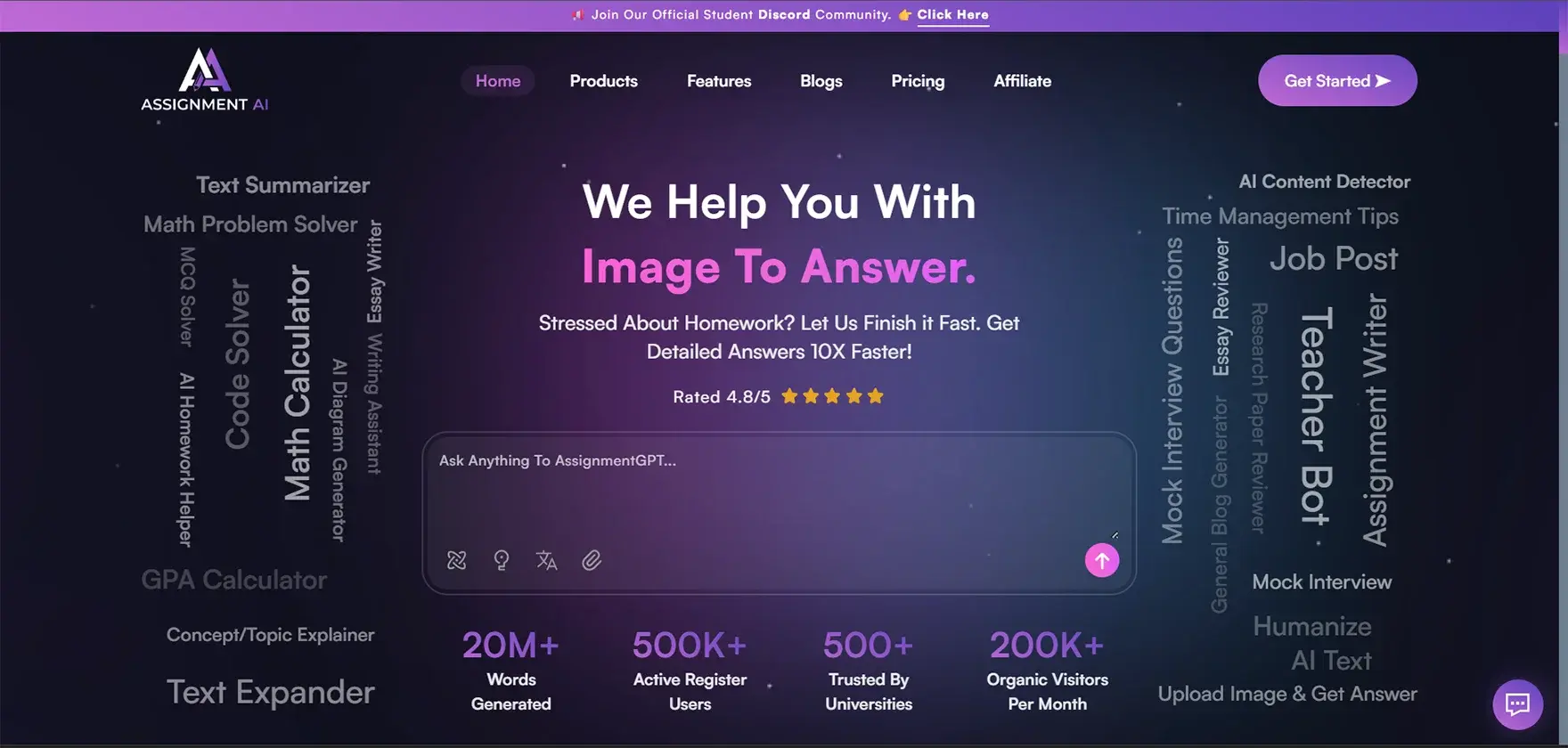
The AssignmentGPT AI detector tool is suitable for small content creators and students, as it provides a very basic form of identifying whether the submitted text contains AI content or is of human origin. The software uses basic detection, scanning for similarities between typical AI-generated content patterns and highlighting sections indicating machine-generated text.
Although the interface is user-friendly and the results are generated quickly than higher quality detection tools, the accuracy rating cannot be validated independently from established enterprise-level tools. The detection tool is primarily intended for short-form essays/assignments or to identify basic content.
Copyleaks
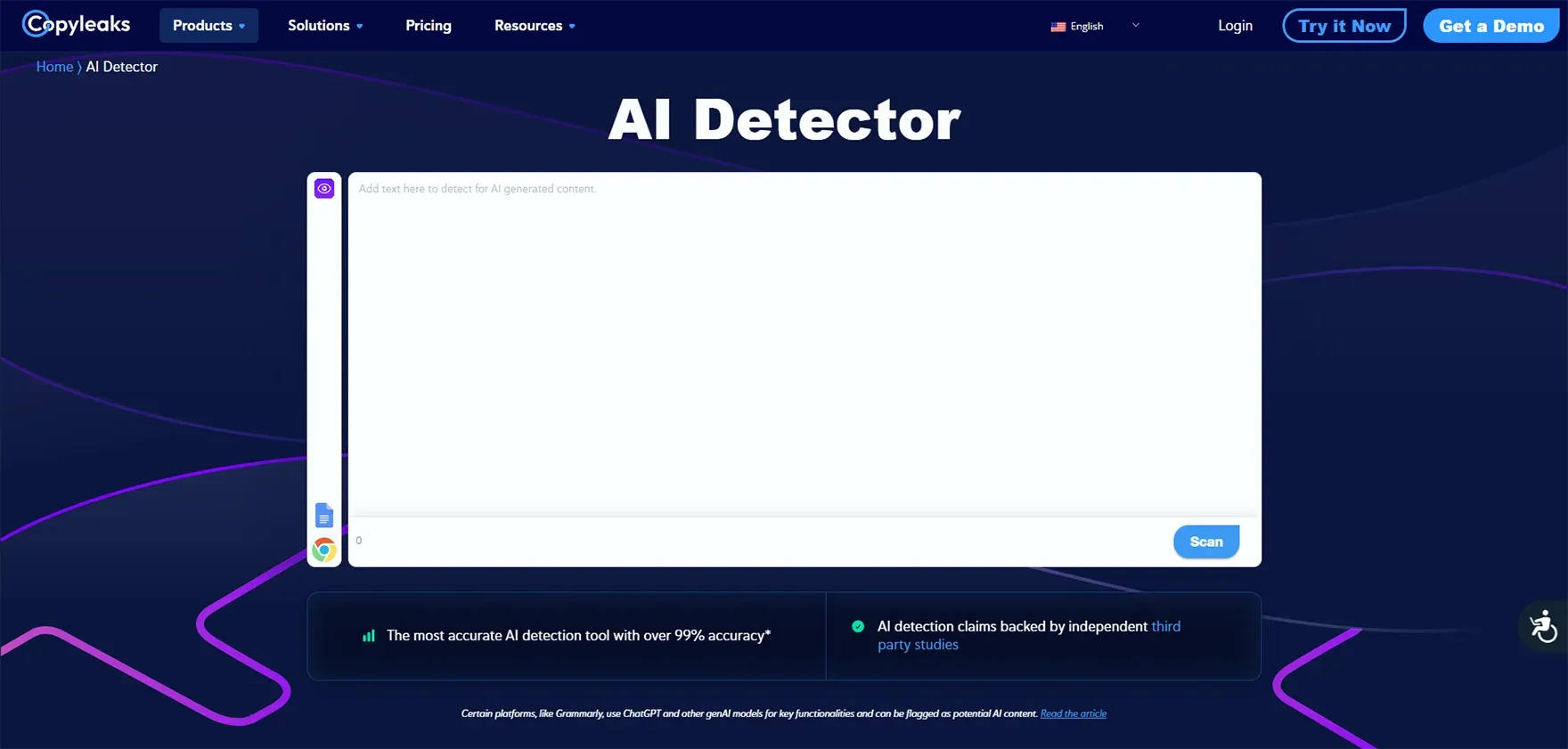
Copyleaks has a strong reputation for the ability to accurately detect AI-generated content through its use of a high level of accuracy among educational, business, and publishing environments. Copyleaks is capable of identifying content that was produced using Multiple AI sources such as ChatGPT, GPT-4, and GPT-5 as well as paraphrased AI-generated content, and hybrid AI and human content, with very few false positives.
The capability of Copyleaks to provide an in-depth breakdown of where/how content is identified as created by AI empowers users by giving insight into why items have been flagged. It offers multilingual and plagiarism recognition services, making it an excellent option for those institutions and professionals who require dependable verification capabilities.
BypassAI IO
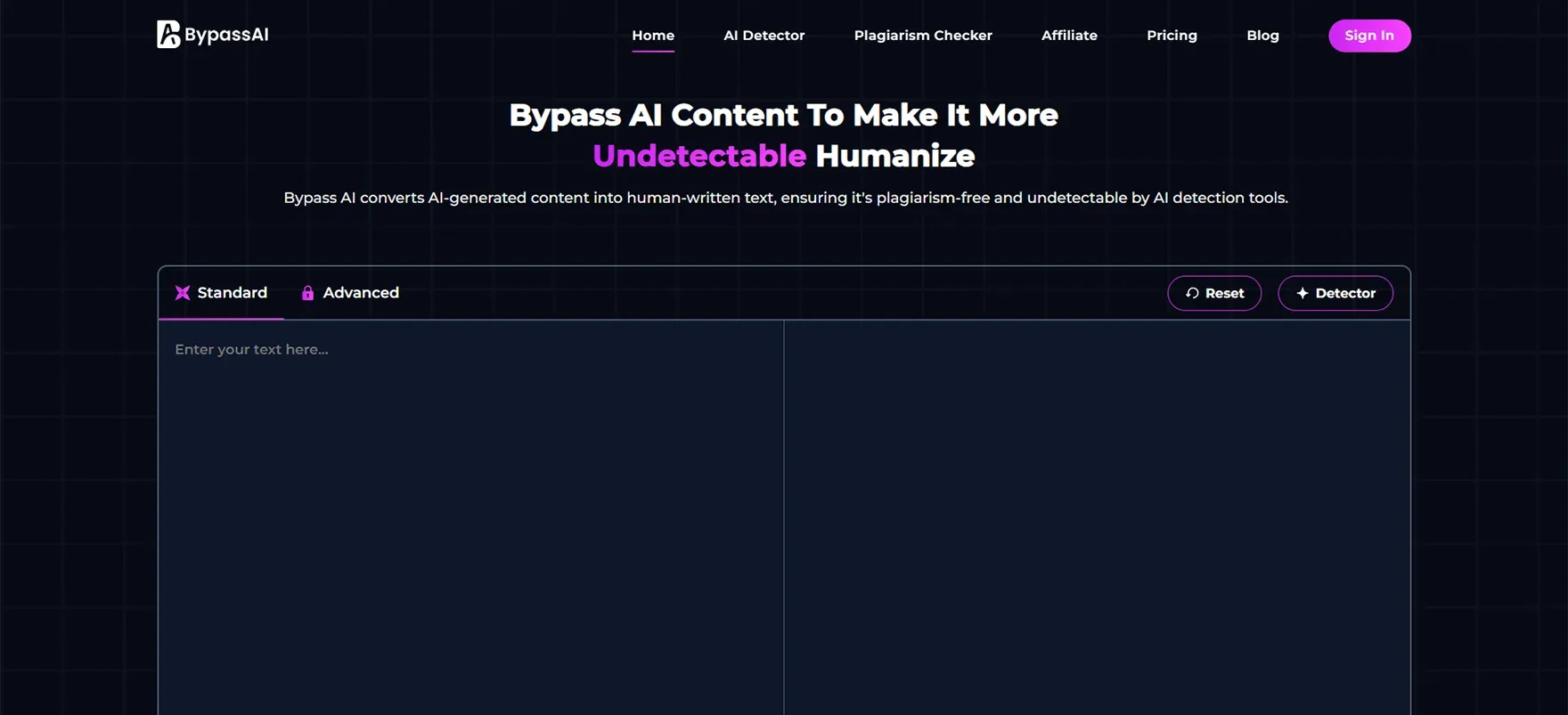
BypassAi.io is an AI that can find text that has been altered or "humanized" even after changing the appearance of the writing. The technology detects language patterns often missed by AI algorithms and produces definitive probability results.
The website provides a quick and easy way for anyone to test content and determine whether it is AI-produced. While it claims a high level of accuracy in transformed content, few independent tests have validated that claim. It is useful for content creators, editors, and reviewers who want to have a second level of checking AI-produced text before publishing it.
Quilbot
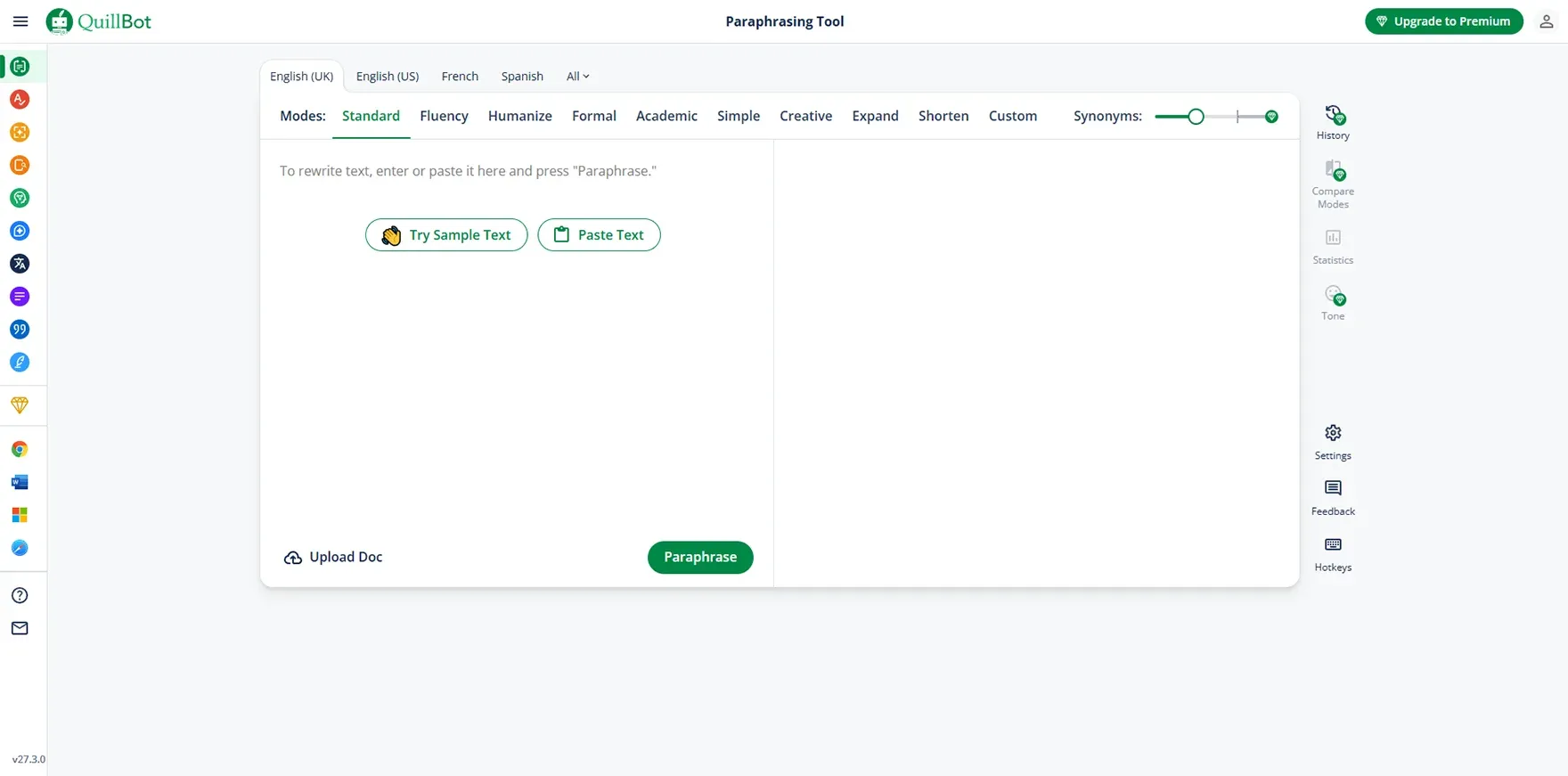
QuillBot is mostly known for its ability to paraphrase written material, but it has a built-in AI checking option that allows users to easily survey content and determine if it was written by a human or AI program. The interface is exceptionally simple to us,e making it an excellent tool for individuals looking to do short or fast assessments of their written content; however, its assessment is nowhere as accurate as specialized AI assessment tools, particularly when analyzing paraphrased or mixed together content.
Recommended primarily for students, bloggers, and average everyday users evaluating quick assessments rather than deep evaluations.
Writer
Writer’s AI Detection system is a part of Writer.com's product ecosystem. It is designed for enterprise companies that want a standardised communication style for all forms of business communication.
This AI content detector checks for digital content written by an AI, finds inconsistencies in tone, and helps companies create a consistent brand voice across all content, including marketing materials and internal documentation.
Challenges in AI Text Detection: What You Need to Know
While there have been advancements made to AI detection tools by 2026, the truth is that not all available tools will be able to provide 100% accuracy. Testing a number of the more widely used detectors revealed a trend: detecting AI-produced content has become an arms race. Detectors cannot always keep pace with the increasing human-like quality of text that AI-generated models such as ChatGPT-4o, Claude 3.7, and Gemini Advanced create. This gap between the AI writing and AI detectors creates numerous challenges that you need to understand prior to placing any trust in the accuracy of AI detection results.
One of the more prevalent challenges is the results that indicate that human-written text is AI-generated/false positives. Personally, some AI detectors in the market, like AssignmentGptAi detector or Copyleaks, provide much better results compared with most over-hyped AI detectors.
Top AI Detector Comparison Table
In my writing career, I used a lot of AI detectors or AI tools, and based on my personal experienc,e I will tell you the reality and accuracy of top AI detectors.
| Ai detector | Overall Accuracy | False Positives | False Negatives | Highlight Feature | Strengths | Limitations |
|---|---|---|---|---|---|---|
| AssignmentGptAi | 92% | Low 8% | Low 10% | Yes, advanced sentence high-level highlights | Most accurate in tests, most accurate in GPT-4o and paraphrased content | Not fully free after the free limit; you need to log in |
| GPTZero | 78% | High 21% | Moderate 22% | Basic Highlighting | Simple UI, burstiness works well for essays | Sometimes it gives false positive results. |
| ZeroGPT | 71% | High 27% | High 32% | No | Fast, free and easy to use | Sometimes results are inconsistent |
| Copyleaks Ai detector | 84% | Moderate 14% | Moderate 18% | Yes | Good Balance | Slower scanning |
| Writer Ai detector | 69% | Very High 30% | Moderate 25% | No | Good for marketing content detection | Weak on long and complex articles |
My Recommendation: When you use any AI detector, always cross-check their accuracy before taking their subscription.
Best Practices: How to Use AI Responsibly and Detect It Effectively
The increasing use of AI technology for writing, from emails to school assignments, means that encouraging responsible use of AI and creating means to detect its use transparently is paramount. AI should not be banned, but rather used in a way that:
Promotes honest authorship
Provides clean workflows
Promotes ethical use
Provides trust in communication
When used responsibly, AI allows for improved writing, reduced misinformation and more effective teacher-student/employer-employee relationships. The best practices listed below are written for each of these groups specifically.
For Writers and Creators
The following are the practices I use when working with AI in my professional life:
Edit AI content thoroughly before you post it: Add your own personal opinion, stories, and experience into the AI text
Be creative with your voice: Use odd metaphors, have inconsistent sentence flow, and tell interesting stories from your life.
Verify all facts: AI is sometimes very confident about being incorrect.
Keep a record of your writing process: Use draft copies of content, take notes, and record yourself clarifying ideas to prove authorship.
Whenever you use an AI to help in your work, make sure you acknowledge it as necessary. Especially if you are a student or in a profession.
This will help keep your content genuine, credible, and free from being flagged incorrectly by AI.
For Educators and Employers
Through working with various institutions, I have realized that the best way to evaluate an institution is through a holistic approach to evaluating the institution as opposed to relying on just the tool itself.
Utilize multiple detection methods by using the Assignment GPT Detector or CopyLeaks, rather than using just one method for detection. Review the process of writing as well as the final product.
Those who write can provide insight into their decision-making, while artificial intelligence cannot provide this information.
Develop clearly defined policies regarding the use of AI, including what is acceptable for use of AI, what is not acceptable for use of AI, and how to ensure there is transparency.
Evaluate style conformity among multiple submissions.
Using these methods provides the fairest and clearest way to evaluate both the institutions and writers.
Tech Stack Recommendations
Building a dependable workflow for detecting artificial intelligence cannot occur without finding the technology stack that allows you to verify AI-generated content through robust and confident means, as opposed to relying upon estimation.
After testing several different detection solutions across a variety of environments for many years and using many of these solutions in my work both as a university researcher, corporate worker, and creator of various forms of content, I have determined that relying on a comprehensive blend of free detection tools, mid-range/enterprise-level submission options, and high-stakes verification solutions has produced the best results.
As an example, for someone who is just starting to explore the detection possibilities or is simply a casual user of AI-based writing assistance, a small assortment of tools will suffice as a foundation. For instance, the use of AssignmentGptAi detector to quickly verify the detection percentage for any AI-generated article, the use of the free version of GPTZero to assess burstiness, and the use of Grammarly for tracking originality provide an excellent first step into the detection world without any financial risk.
Conclusion
In 2026, the goal of identifying AI-created material isn't simply to catch AI but rather to maintain fidelity in how we interact with each other and verify who authored something and know that the authorship of something came from a legitimate writer.
Personally, I think there is no perfect method for achieving success here; however, combining several techniques can create an incredibly accurate and trustworthy analytical framework. If you have a workforce, doing a manual check is the best option, aligning with AI Detectors like AssignmentGptAi detector.
As artificial intelligence continues to grow, judgment from humans will become a crucial aspect of our lives moving forward; thus, we will not be taking away human beings' jobs; rather, we will give them access to the correct tools they need to succeed. If you wish to remain competitive, continue testing your writing against multiple methodologies, improve your writing habits consistently, and use an appropriately sized technological stack.
1. Is it possible for an AI detection system to create a false positive?

2. Is it feasible for artificial intelligence to completely obscure its patterns?
3. Which AI detection tool will have the highest accuracy in 2026?
4. Is it possible to identify text produced by ChatGPT after that text has been edited by a human?
5. Did plagiarism tools detect AI detection?
6. How long must the sample be in order to achieve an accurate identification of the author's conduct?
7. Do AI watermarks aid detection?
8. Should students disclose the use of AI?
9. Can companies depend entirely on AI detectors?
Content writer at @AssignmentGPT
Ashu Singh, content writer at AssignmentGPT, crafting clear, engaging content that simplifies complex tech topics, with a focus on AI tools and digital platforms for empowered user experiences.
Master AI with
AssignmentGPT!
Get exclusive access to insider AI stories, tips and tricks. Sign up to the newsletter and be in the know!
Transform Your Studies with the Power of AssignmentGPT
Empower your academic pursuits with tools to enhance your learning speed and optimize your productivity, enabling you to excel in your studies with greater ease.
Start Your Free Trial ➤Related Articles
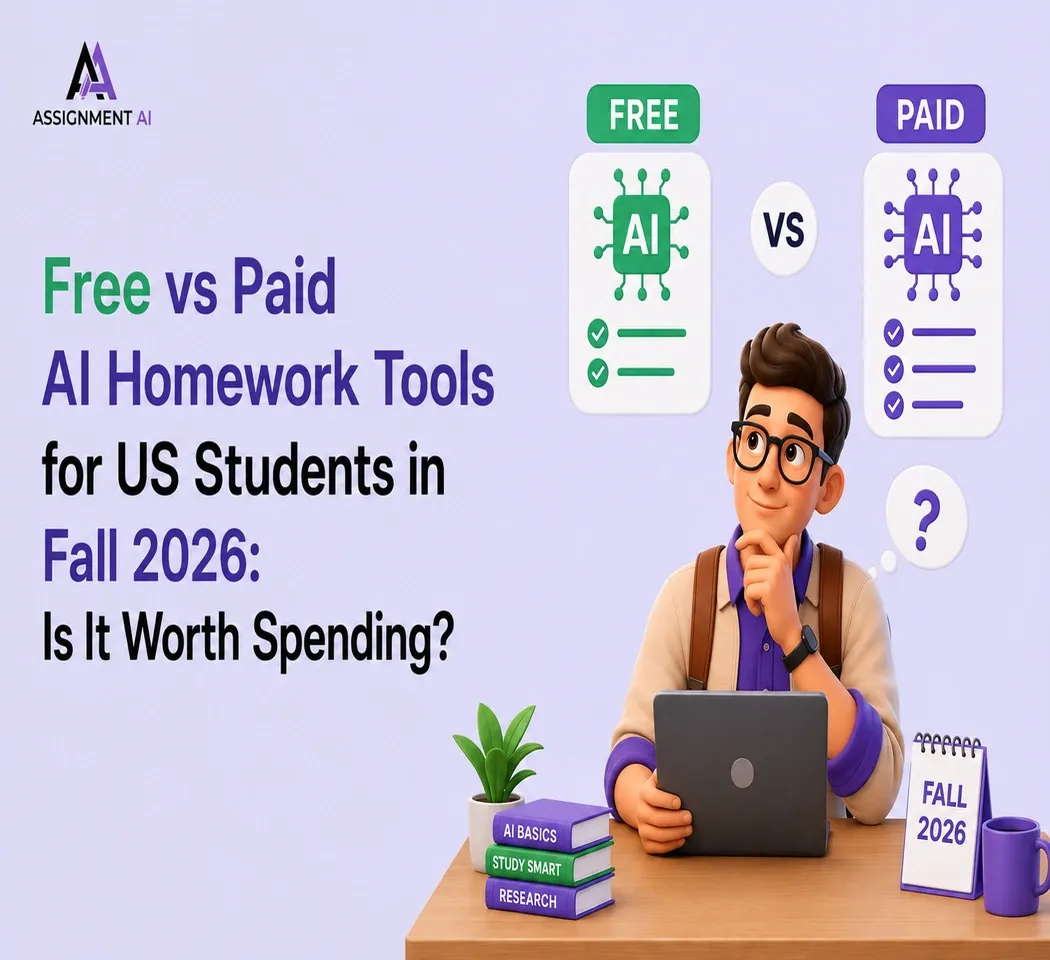
Free vs Paid AI Homework Tools for Students in 2026
Compare free and paid AI homework tools in 2026 to find the best option for saving time, money, and improving study support.

10 AI Tools Every College Student Should Use in 2026
Discover 10 powerful AI tools every college student should use in 2026 to study smarter, save time, boost productivity, improve learning, & achieve better grades.
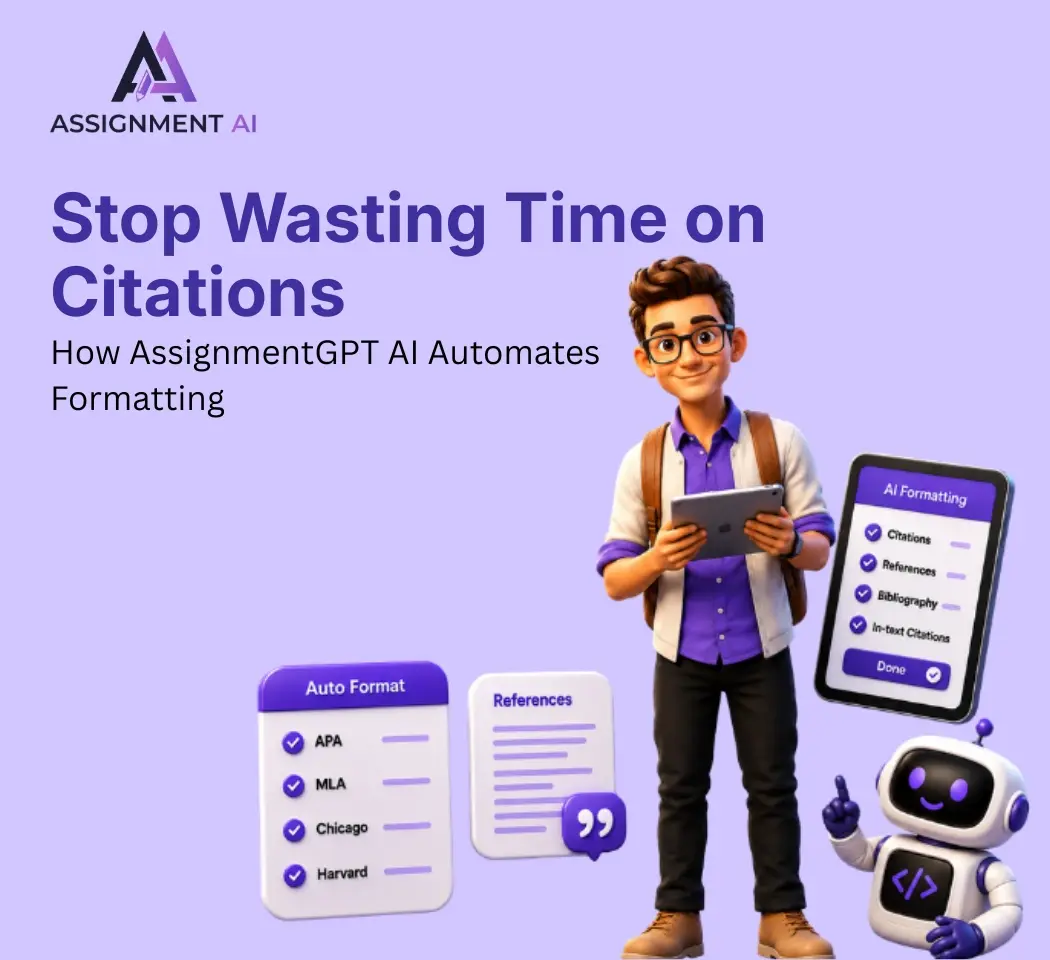
AssignmentGPT AI Citation Generator: Format Citations Fast
Create accurate APA, MLA, Chicago, and Harvard citations instantly with AssignmentGPT AI's free AI citation generator.
Is Turnitin's AI Detector Disabled in 2026? Full Guide
Turnitin's AI detector isn't gone, but Waterloo, Curtin, Yale and others have disabled it. Here's why, and what it means.
AI Homework Helpers: How They Are Changing Study Habits
AI homework helpers explain concepts step by step, helping students learn faster, study smarter, and build lasting confidence.

Best Flowchart Software Tools for Students and Developers
Compare the best flowchart tools for students, developers & engineers to create clear diagrams fast.
Start your success story with Assignment GPT! 🌟 Let's soar! 🚀
Step into the future of writing with our AI-powered platform. Start your free trial today and revolutionize your productivity, saving over 20 hours weekly.
Try For FREE ➤